

How a bag of lettuce became a tiny food forest, a wildlife sanctuary, and an unexpected obsession.
The summer of 2026 will probably go down as one of the hottest and poopiest in American history. It’s also the year I randomly decided to learn how to grow my own lettuce.
I swear I didn’t see the Cyclospora outbreak coming. I promise my little grow bag of lettuce didn’t bring us all bad luck! 💩😭
But I think I saw some writing on the wall. Our food supply is fucked.
It’s no wonder patio gardening, balcony gardening, and homesteading content seem to be flourishing on YouTube. We’re becoming increasingly aware of how vulnerable we are when so much of our food supply is controlled by corporations, and how disconnected we’ve become from the things that sustain us.
Gardening was supposed to be a cute little “analog hobby” I unlocked this summer. Instead, it began to feel like an increasingly necessary life skill.
I’m starting to sound like a doomer, but truly, I’ve become a bloomer. 🥀✨🌹
And what a glorious, unexpected rabbit hole it’s been.
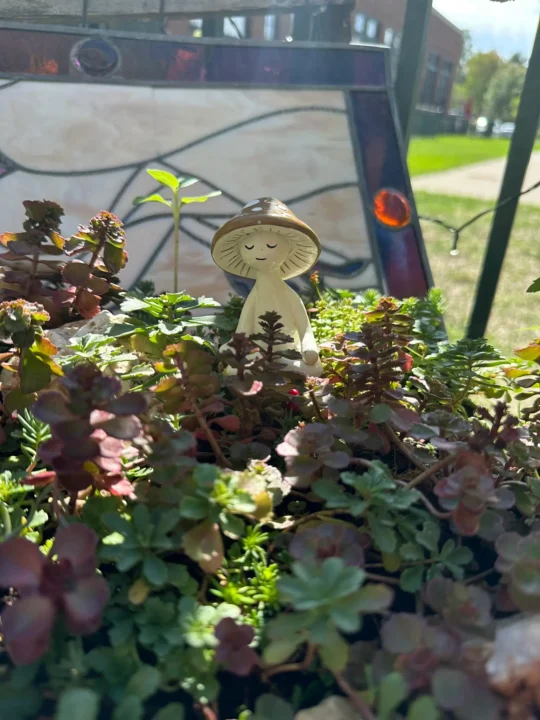
Mushrooohhhhmmmm
From Self-Improvement to Habitat Improvement
It began with a simple desire to touch more grass, grow something edible, and spend a little less time staring at screens.
And then, it just… grew.
An obsession with building habitats took over, and I haven’t been the same since.
In many ways, it felt like my former obsession with self-improvement had turned outward. Instead of endlessly trying to optimize myself, I became fascinated with creating conditions in which other living things could thrive.
I’m fortunate to have an apartment with a small patio, where I’ve grown flowers in containers and assembled some lovely pollinator-friendly pots over the years. But this summer, curiosity sent me tumbling into an entirely different world.
Food forestry. Guerrilla gardening. Urban rewilding. Habitat design. Gardening as an act of political resistance.
What can I say? I fucking dig it. (Gardening pun absolutely intended.)
One of the most fascinating things I learned was how forests naturally organize themselves into layers: the canopy, the understory, the shrub and herbaceous layers, and the forest floor. Each contributes something to a complex, interconnected ecosystem that sustains itself with remarkably little human interference.
And then there’s the American lawn. (Rhymes with yawn.) 🥱
A vast, thirsty monoculture that we mow into submission every weekend because somebody, somewhere, decided a carpet of grass was the pinnacle of “civilized landscaping.”
As if landscaping was ever meant to be civilized.
SMDH.
Okay, lawns aren’t entirely worthless. But compared with a thriving, biodiverse habitat? We’re leaving an awful lot of life on the table.
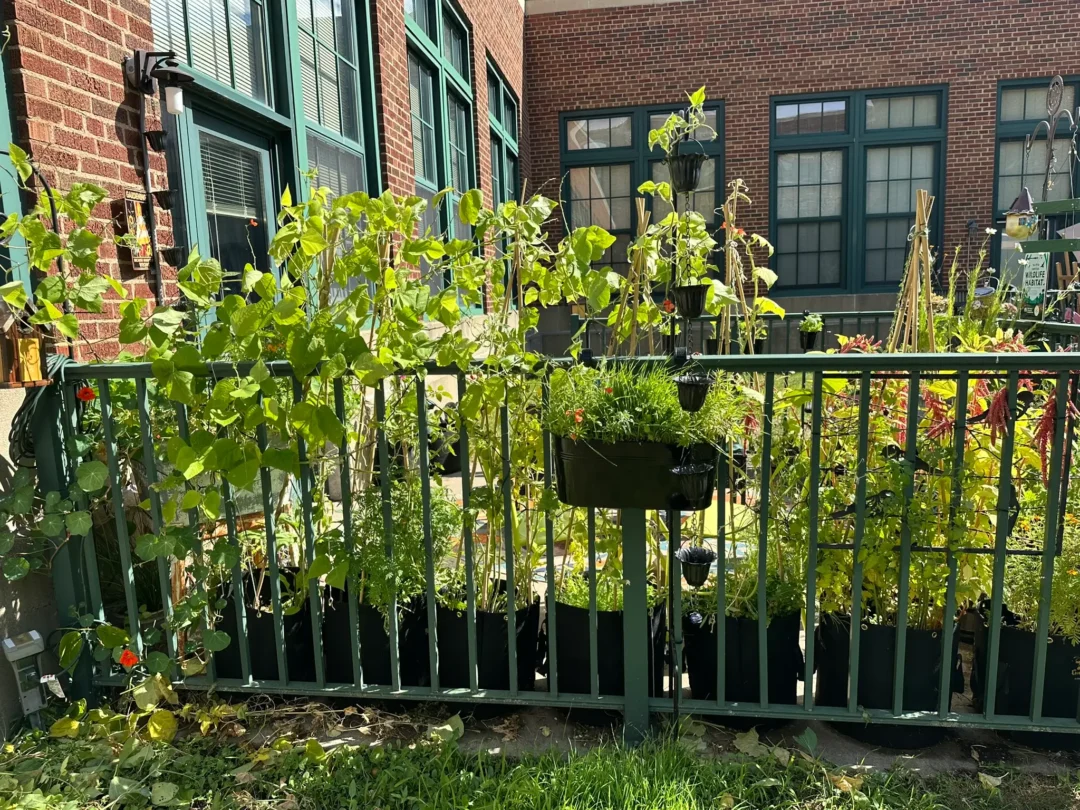
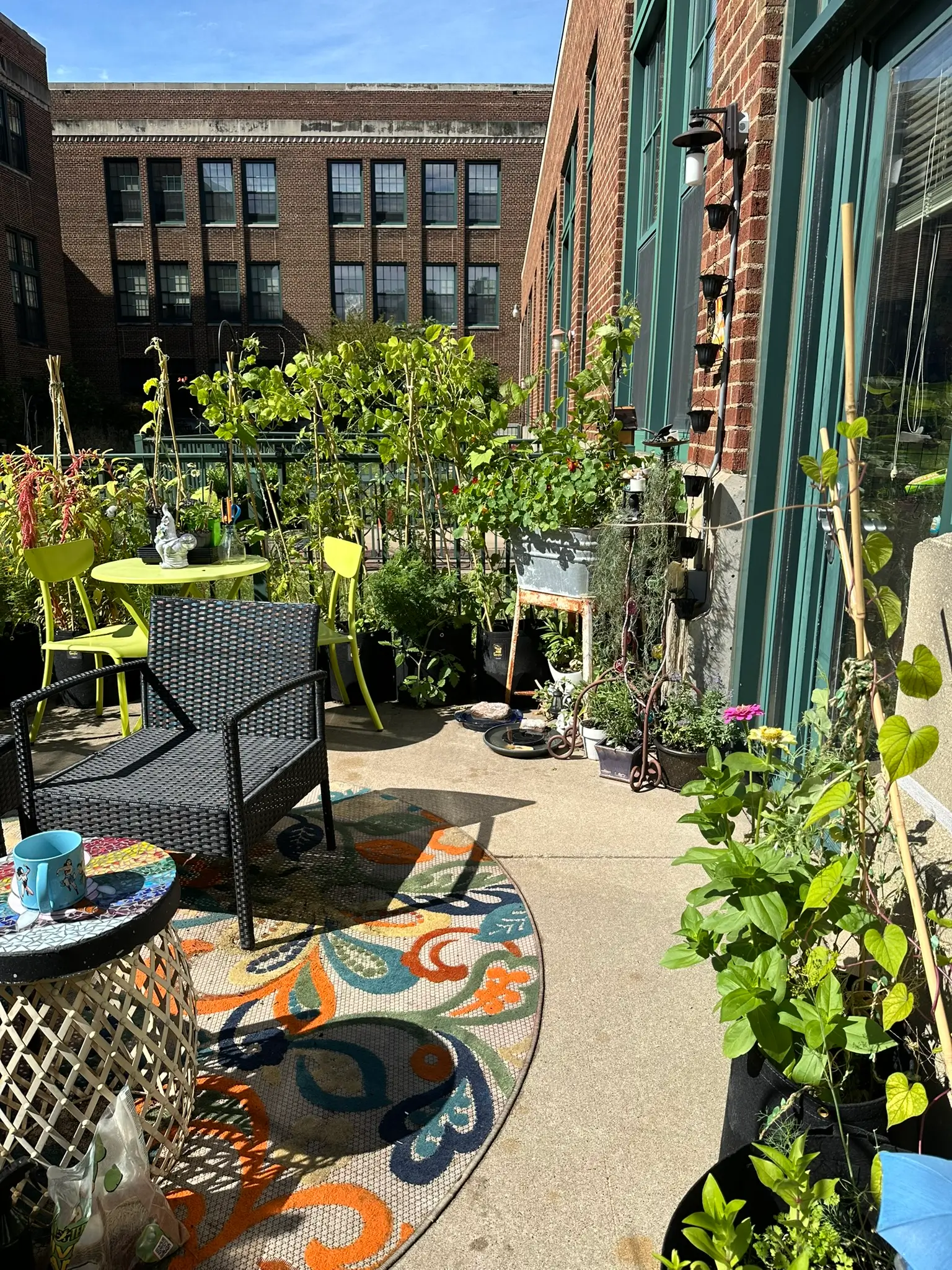
My Tiny Food Forest
A Tiny Forest, a Whole Lot of Life
Naturally, I decided to see whether I could replicate some of those forest principles in containers.
On an apartment patio.
In Wisconsin.
Because a hobby isn’t a hobby for me unless I’m also developing an entire philosophy around it. (Rizz ’em with the ’tism, Jaye!)
Astonishingly to nobody but me, it… worked!
Actually, I take that back. My neighbors have been pretty astonished, too. Even my mom, who has been known to build her own personal Shire, has been impressed with my little experiment.
But nobody was more surprised than I was. I genuinely wasn’t convinced I could pull this off with so little experience digging in the dirt.
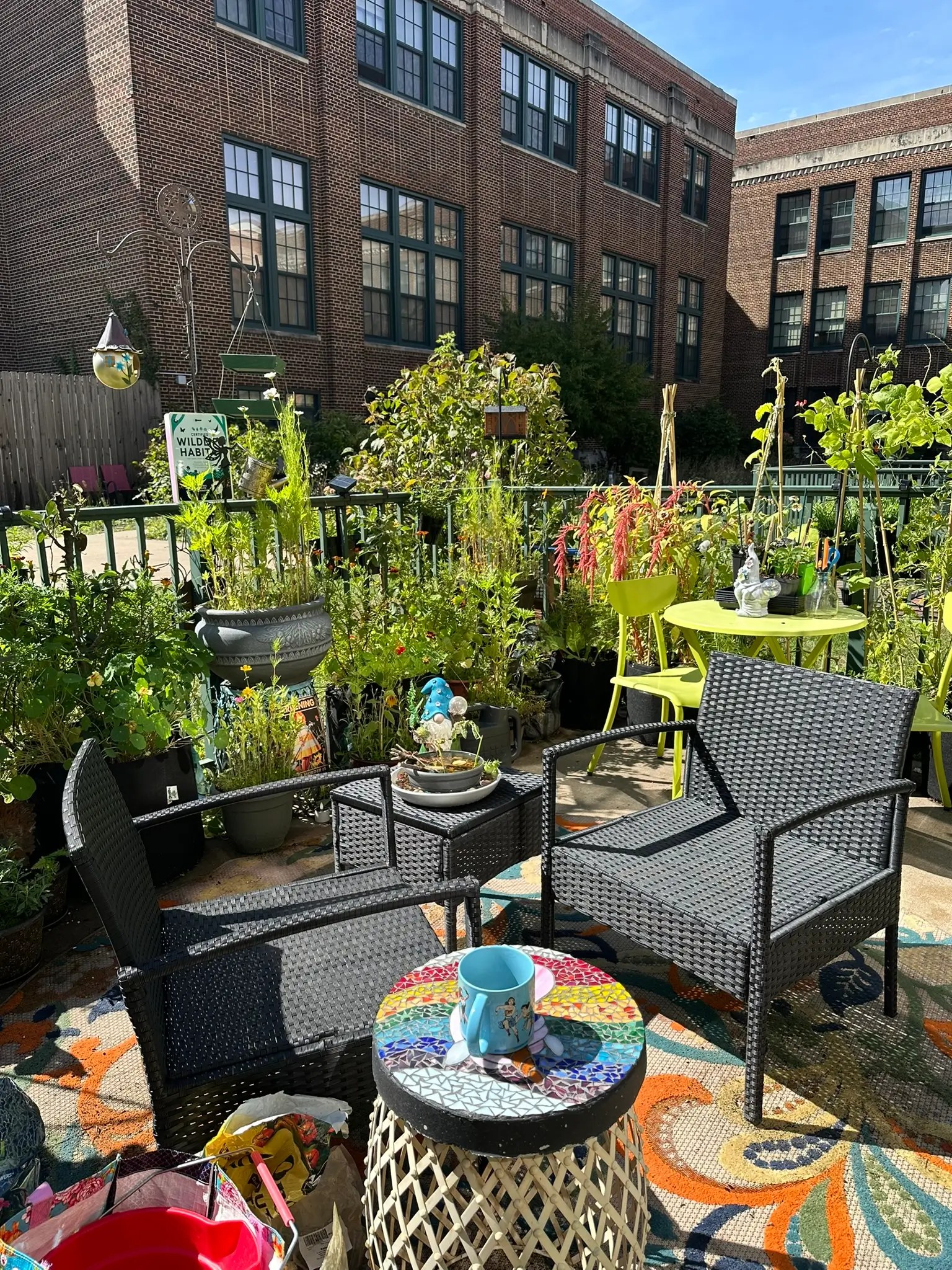
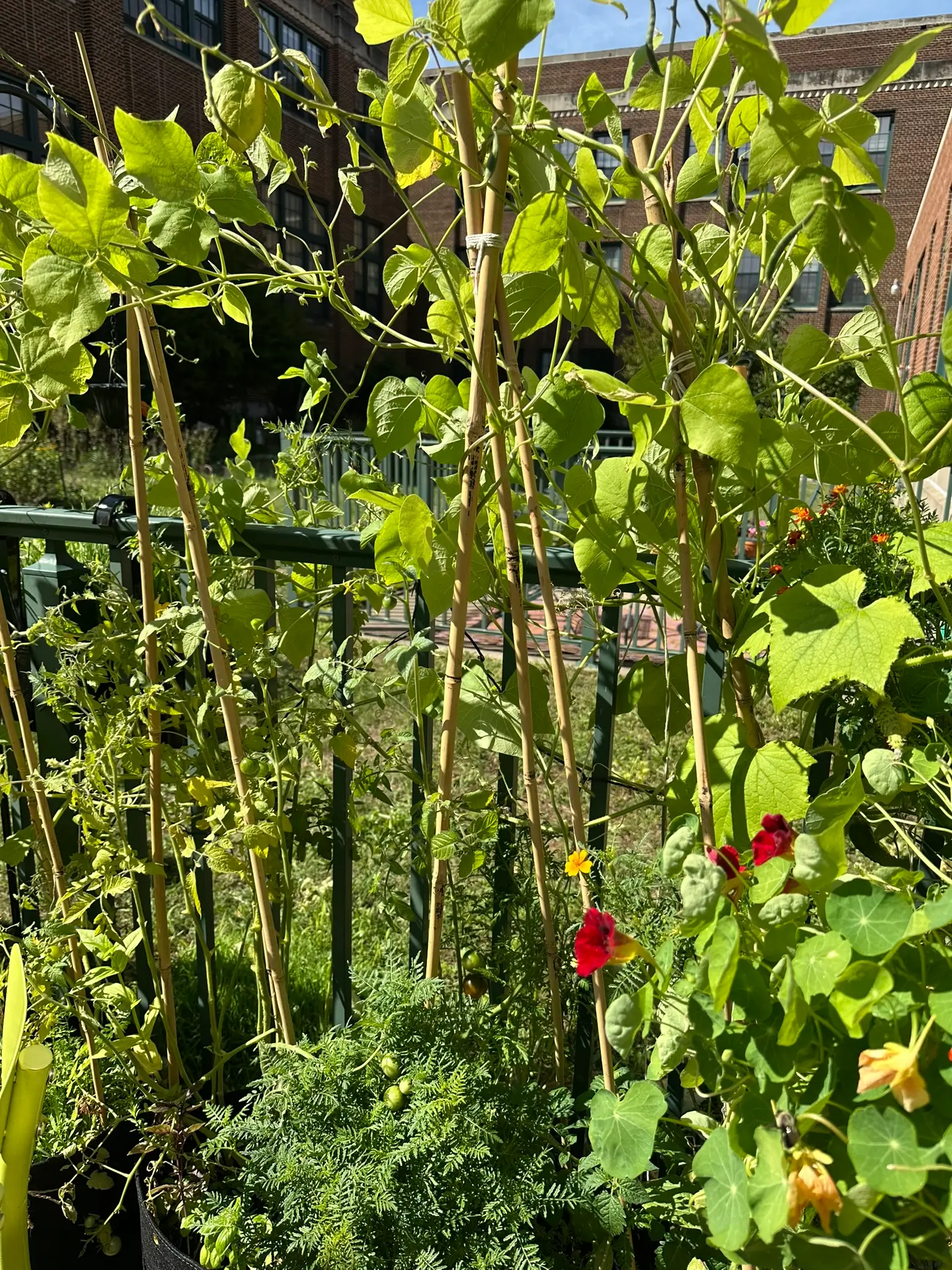
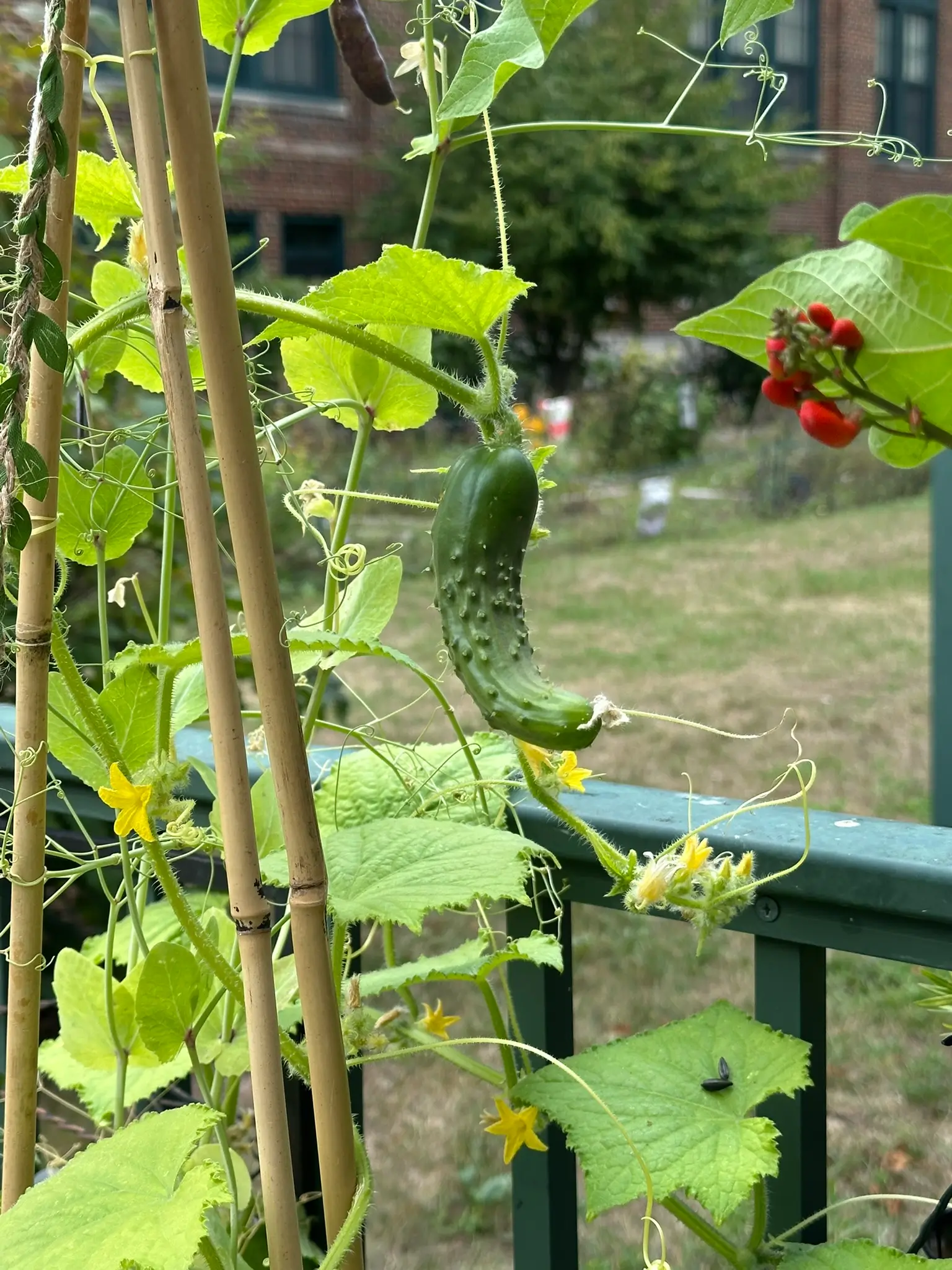
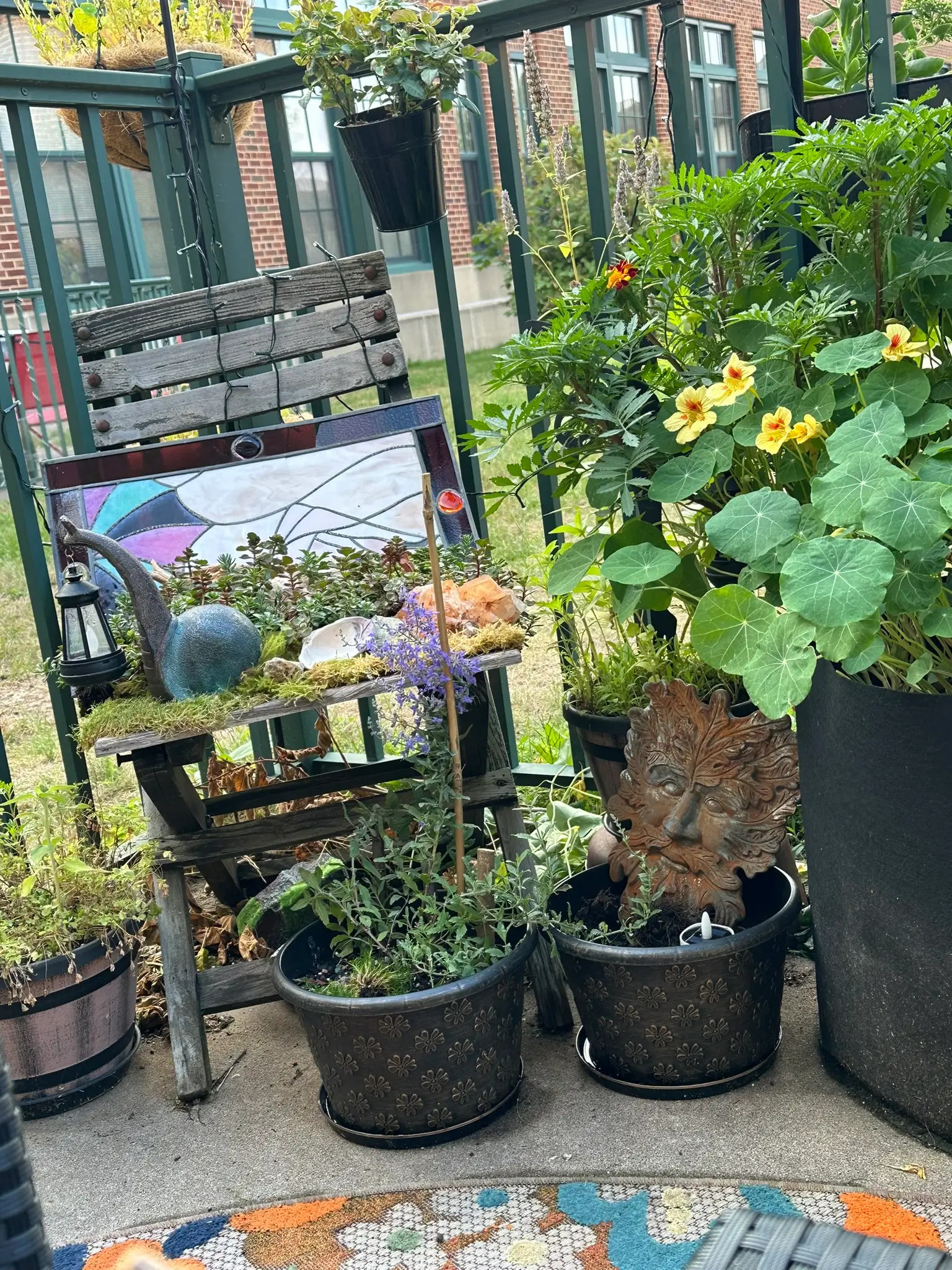
My little patio became a miniature patchwork of edible plants, flowers, vines, shrubs, mini water features, and sheltered spaces. I grew cucumbers! I harvested food! I watched bees, butterflies, dragonflies, and all manner of fascinating little creatures discover this strange green oasis I’d assembled.
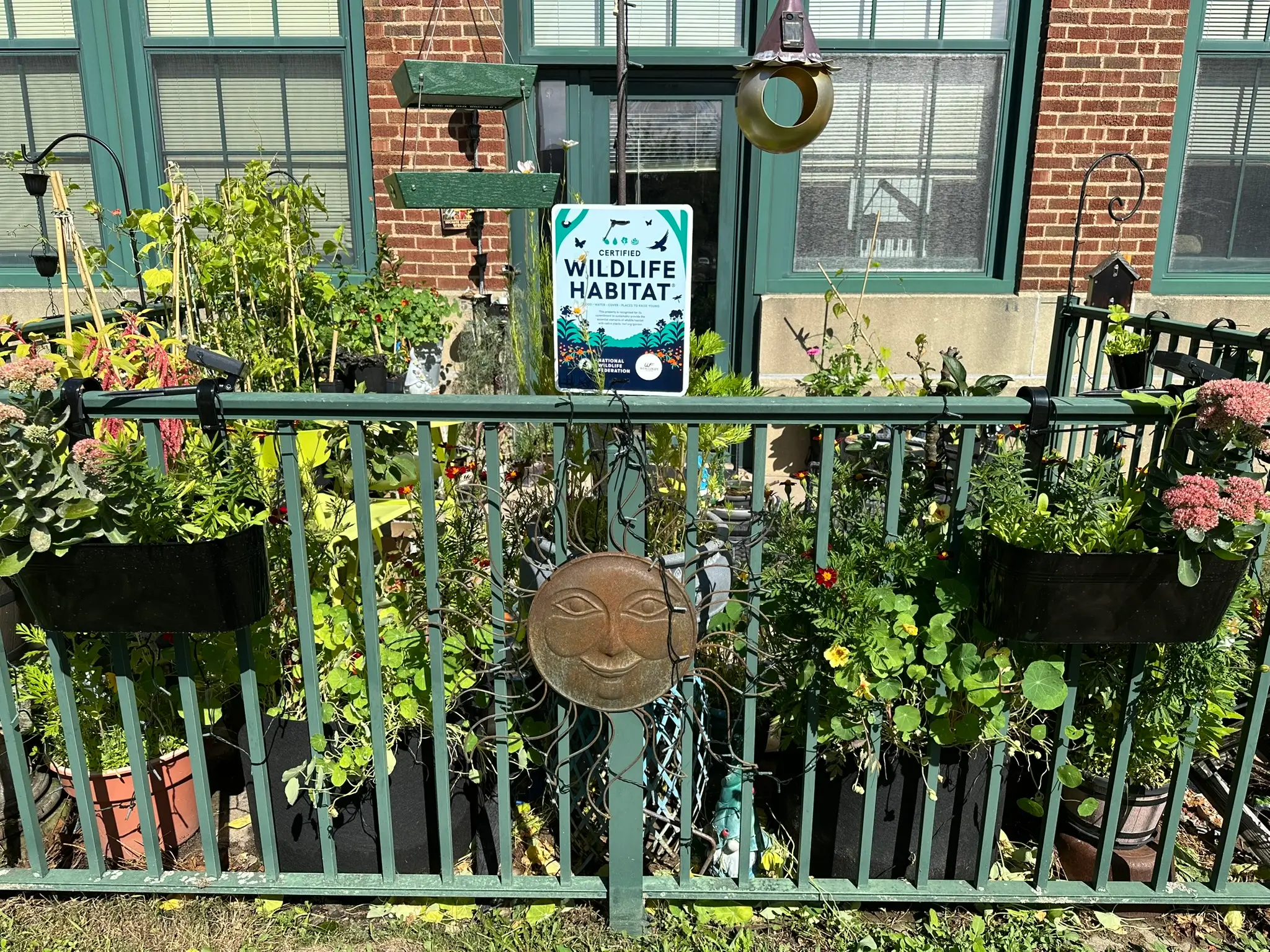
I added water for wildlife, and the wildlife came. Hummingbirds visited. Mourning doves brought their youngsters around. Chickadees explored. And eventually, my humble little space of urban rewilding earned its official designation as a Certified Wildlife Habitat.
But the absolute highlight of the summer?
A momma catbird decided my patio was a suitable place to raise her babies.
HER BABIES. 🥹
Of all the places in the world she could have chosen, she trusted this tiny, ridiculous, lovingly cultivated patch of green.
I cannot adequately explain what that meant to me.
I began the summer wondering whether I could keep a bag of lettuce alive. I ended it knowing I’d helped create a place where an entirely different family could flourish.
That’s a pretty extraordinary return on investment.
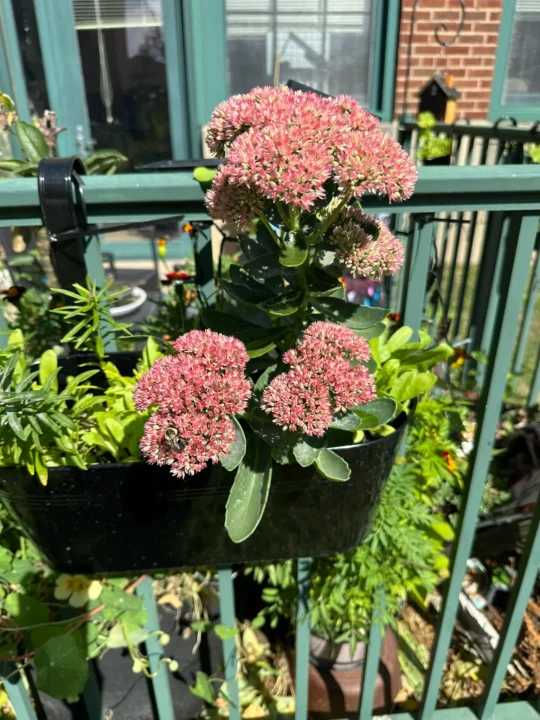
Happy Bee!
Letting Things “Bee” Wild
Now that we’re firmly rooted in fall (hello, First Frost, how are ya?), I’m already dreaming about what comes next.
And, perhaps more importantly, what I can leave alone.
I’m resisting the urge to tidy everything into oblivion. The vines, stems, leaves, and branches will remain wherever practical, offering shelter and overwintering habitat for the tiny creatures who have made this place their home. I’ll keep water available when I can, feed the birds through the colder months, and continue learning how to be a better neighbor to the natural world.
Because that’s what this whole adventure has become: less about controlling nature and more about participating in it.
And there’s something wonderfully liberating about that.
For a long time, I thought gardening was something other people were naturally good at. People with green thumbs, big yards, and mysterious inherited knowledge about soil.
Turns out, you can learn. You can experiment. You can fail spectacularly, try again, and discover that the world is far more generous and interesting than you imagined.
You can also watch YouTube.
Seriously. Between the generous master gardeners sharing their knowledge online and my mom dispensing wisdom from her own little Shire, I basically enrolled myself in summer school.
No tuition or textbooks. Just an increasingly alarming collection of seeds and an internet search history that would suggest I’m preparing to become a woodland hermit.
And perhaps I am. WHO’S ASKING?
But here’s the most delightful surprise, and something I want the entire internet to know:
You don’t even need a yard to build a wildlife habitat or grow your own food.
You just need a little space, a little curiosity, and the willingness to let something grow beyond your original plans.
I never dreamed I’d become a gardener, much less an aspiring urban rewilding enthusiast with a certified wildlife habitat and strong opinions about lawns.
But here we are.
Bog Witch Era activated. 🌿🐝🐈⬛
-

Yes, there was a council of Gnomes
-
All edible, all the time!
-
More like "cute-cumber!"
-
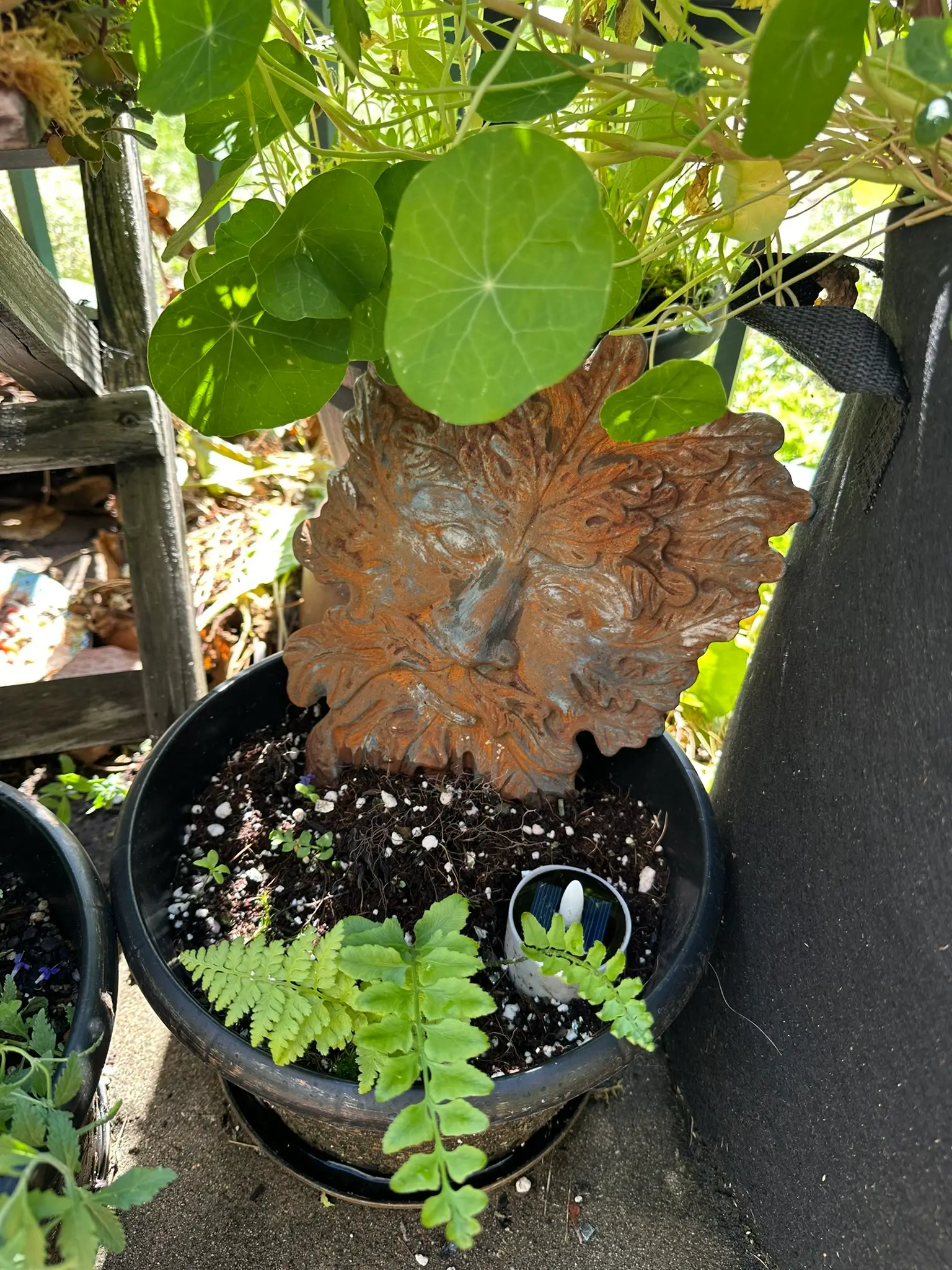
Toad corner!
-
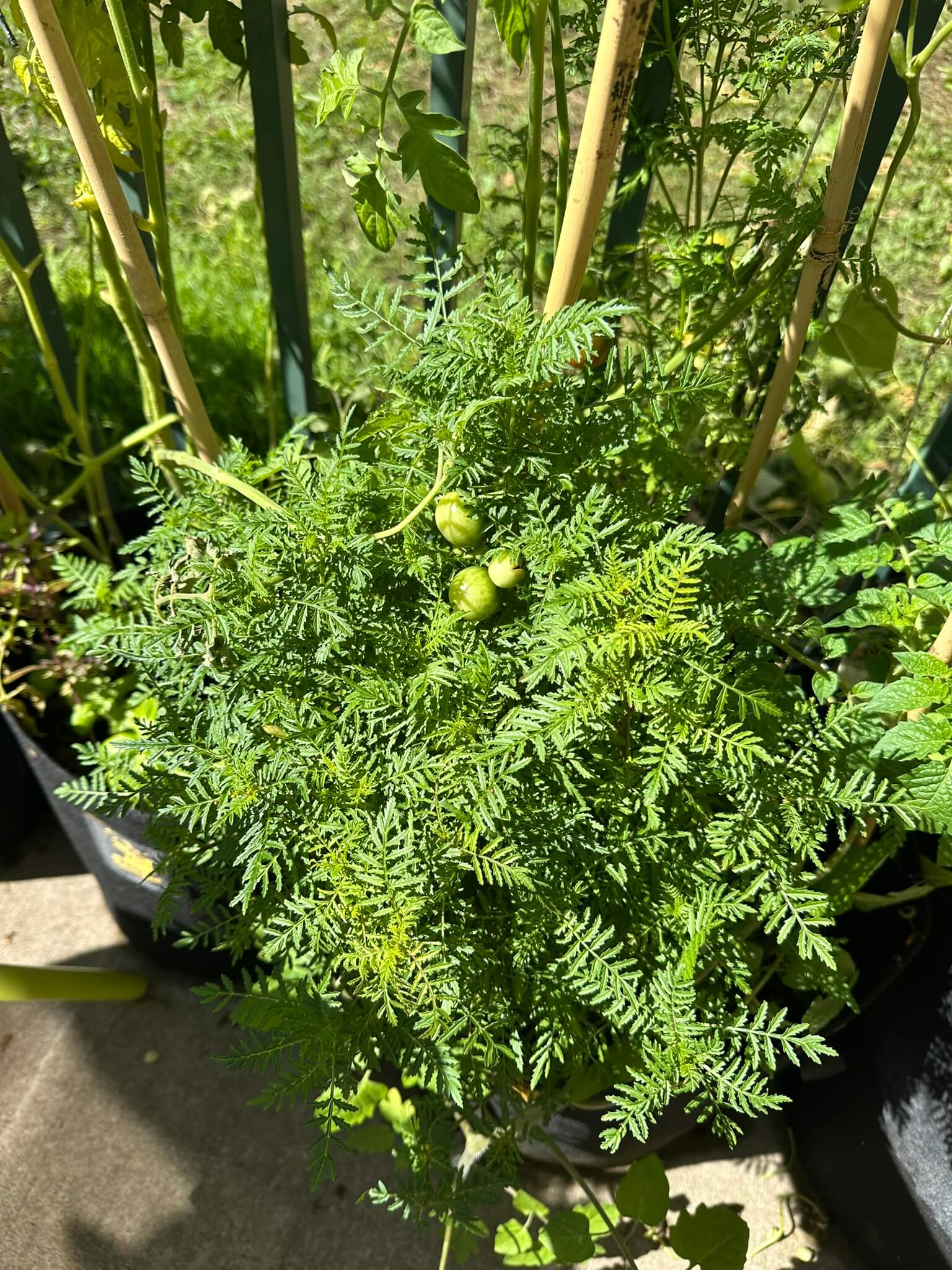
Tomatoes and marigolds: the ultimate companions
-
Green Man, Guardian of Toad Corner
-
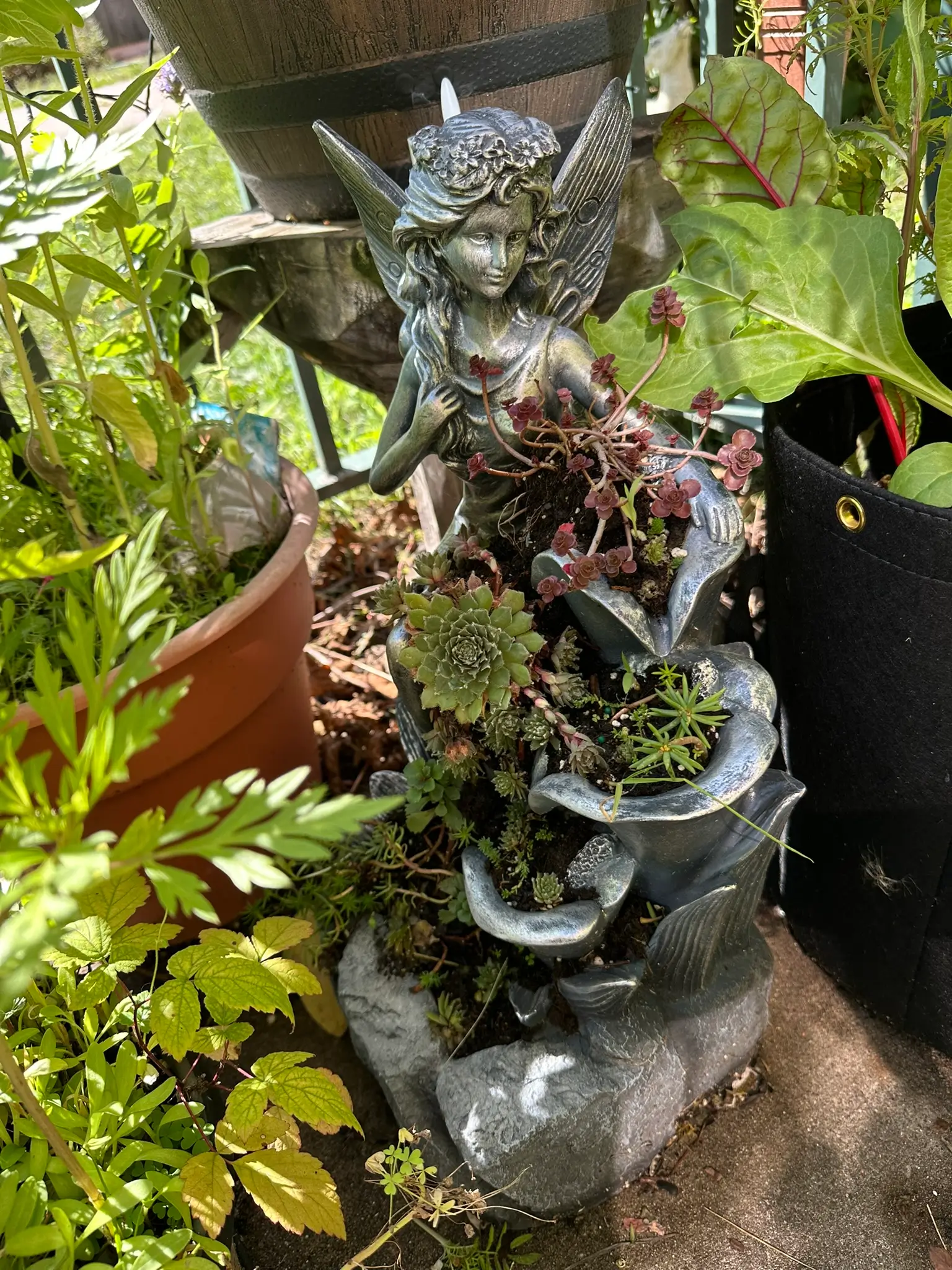
The Succulent Faerie
-
Another view
-
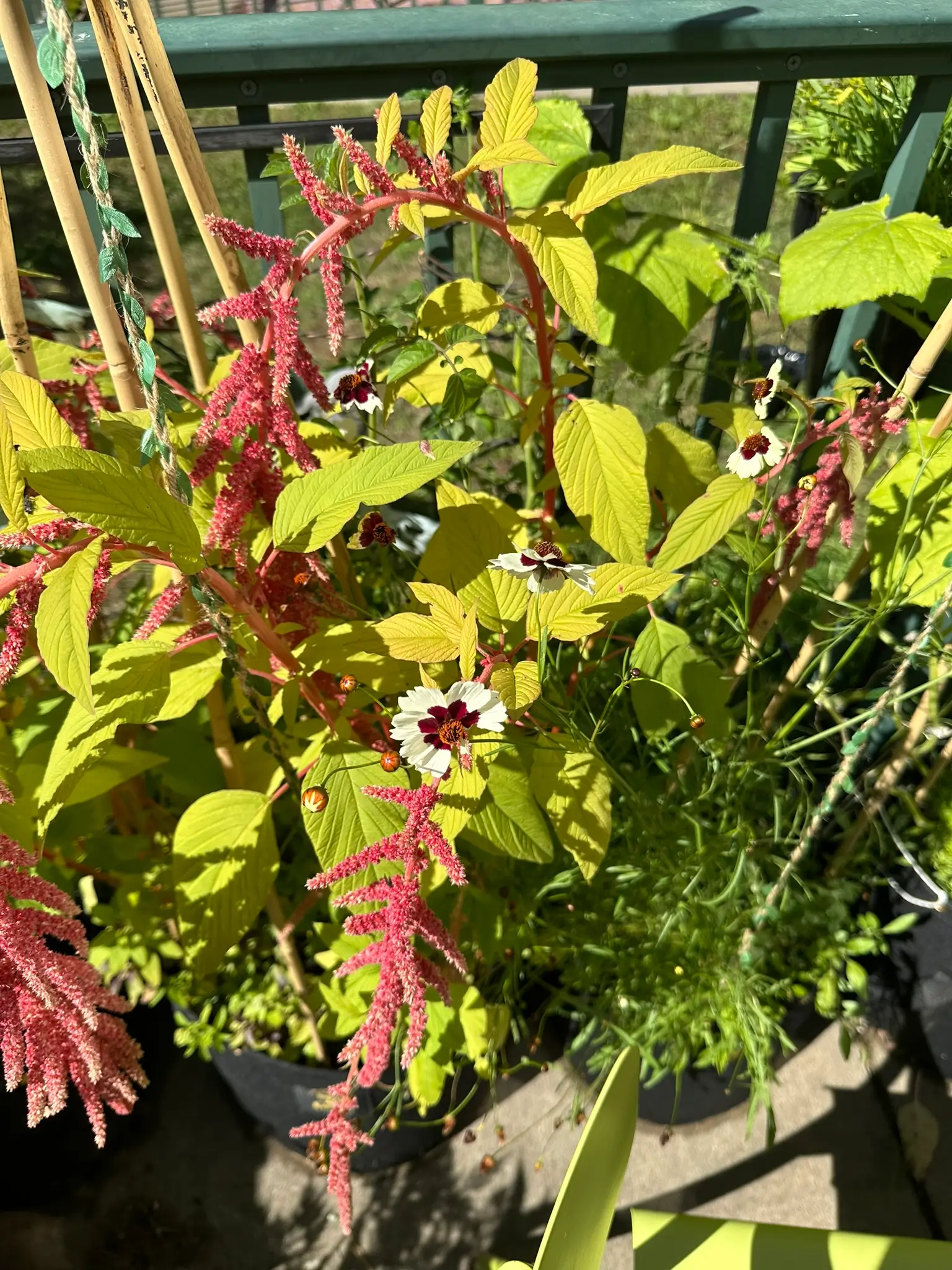
Amaranth: My new obsession


0 Comments